App Design: How We Create Exceptional Digital Experiences
Have you ever opened a mobile platform and felt instantly at ease? That’s the power of thoughtful app design. At its core, it’s about crafting experiences that feel natural and intuitive. We believe every digital interaction should be seamless, engaging, and purposeful.
Our approach starts with understanding the user. By focusing on their needs, we create interfaces that are not only visually appealing but also highly functional. Tools like Uizard’s drag-and-drop editor allow us to bring creative visions to life efficiently1. This ensures every element aligns with the user’s expectations and enhances their journey.
We also prioritize consistency and accessibility. A cohesive look and feel across the platform builds trust, while inclusive design ensures everyone can navigate with ease2. These principles guide us in delivering digital experiences that truly resonate.
In a world where attention spans are short, we aim to make every second count. Clean, minimalist designs not only boost satisfaction but also keep users engaged3. It’s not just about aesthetics—it’s about creating meaningful connections.
Key Takeaways
- User-centered design ensures interfaces are intuitive and functional.
- Consistency in design builds trust and familiarity.
- Accessibility makes platforms usable for everyone.
- Clean, minimalist designs enhance user satisfaction.
- Tools like Uizard streamline the creative process.
The Fundamentals of App Design
Creating a digital product that resonates with users starts with mastering the fundamentals. It’s about blending visual appeal with functionality to deliver an experience that feels seamless and intuitive. Every feature we add is carefully thought out to enhance usability and meet client expectations4.
Defining App Design and Its Importance
At its core, digital creation involves both visual and interactive components. A well-designed product not only looks good but also works effortlessly. For instance, the Muzli Mobile App showcases how a clean interface can elevate user satisfaction5. This balance is crucial for success in today’s competitive market.
Our clients expect more than just aesthetics. They want a product that solves problems and delivers value. By focusing on user needs, we ensure every project aligns with their goals. This approach has proven effective in cases like the Invest Mobile App, where usability features drove engagement6.
Balancing UI and UX for Success
Effective digital creation requires a harmony between UI and UX. The designer must ensure the interface is visually appealing while also being easy to navigate. Tools like Figma and Sketch help us streamline this process, ensuring consistency across every element4.
Feedback plays a vital role in refining the final product. By incorporating client input, we address pain points and improve usability. This iterative process ensures the end result meets both user and business needs5.
In conclusion, mastering the fundamentals is key to creating a product that stands out. By focusing on user needs, balancing creativity with functionality, and leveraging feedback, we deliver solutions that truly resonate.
Implementing User-Centric App Design
What makes a digital experience truly stand out? It’s putting the user at the center of every decision. By focusing on their needs, we create solutions that feel intuitive and meaningful. This approach not only enhances usability but also drives engagement and satisfaction7.
Conducting User Research and Creating Personas
Our process begins with in-depth user research. We gather insights into behaviors, preferences, and pain points. This helps us develop detailed personas that represent our target audience. These personas guide every decision, ensuring the final product aligns with user expectations8.
For example, 85% of users report a better experience when their needs are prioritized7. By understanding their journey, we create designs that resonate deeply. This level of detail ensures everyone involved benefits from a user-focused approach.
Incorporating Client Feedback and Iterative Improvements
Feedback is the cornerstone of our iterative process. We collaborate closely with clients to refine ideas and address pain points. This ensures the final product meets both user and business goals. Regular feedback loops can increase user satisfaction by 25% over time7.
Our team translates feedback into actionable changes. This might involve adjusting a mockup or rethinking a feature. By allocating time effectively, we ensure each iteration brings us closer to perfection. This process not only improves usability but also reduces post-launch fixes by 40%7.
In the end, a user-centric approach benefits everyone. It creates seamless experiences, drives engagement, and ensures long-term success. By focusing on the user, we deliver solutions that truly make a difference.
Integrating Platform Guidelines and Responsive Design
When building for multiple platforms, understanding their unique guidelines is essential. Each ecosystem has its own rules, and following them ensures a smooth experience across devices. We focus on creating solutions that adapt seamlessly to different screens and user expectations9.
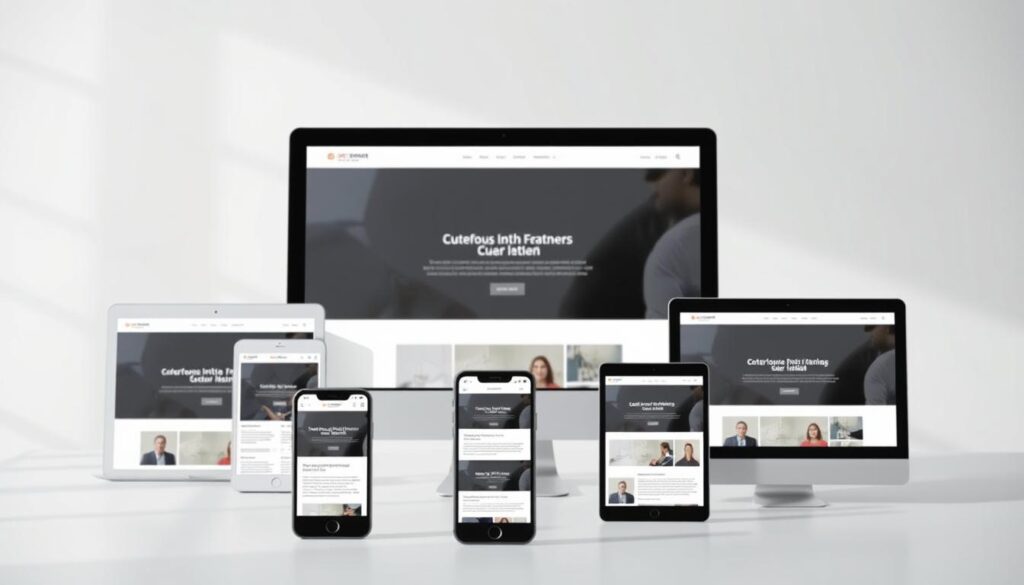
Responsive design is the backbone of a seamless user journey. It ensures that every element scales properly, regardless of the device. This approach not only enhances usability but also builds trust by delivering a consistent experience10.
Design Considerations for iOS and Apple Ecosystem
iOS is known for its sleek, intuitive interface. We prioritize clean layouts and minimalistic elements to align with Apple’s guidelines. This ensures that our mobile app feels native to the platform9.
Apple’s ecosystem emphasizes consistency across devices. We ensure that our solutions work seamlessly on iPhones, iPads, and Macs. This approach enhances user satisfaction and reduces the learning curve10.
Best Practices for Android App Design
Android offers flexibility and customization. We leverage this to create adaptable solutions that cater to diverse user needs. Our designs are optimized for various screen sizes and resolutions9.
We also focus on cost-effective development. By following Android’s guidelines, we ensure that our solutions are scalable and easy to maintain. This approach allows us to reach a wider audience without compromising quality10.
| Feature | iOS | Android |
|---|---|---|
| Design Philosophy | Sleek, minimalistic | Flexible, customizable |
| Screen Adaptation | Consistent across devices | Optimized for diverse sizes |
| Development Cost | Higher | Lower |
| User Experience | Intuitive, seamless | Adaptable, scalable |
By integrating platform-specific guidelines and responsive design principles, we create solutions that work flawlessly across devices. This ensures a smooth user experience, regardless of the place or device they use9.
Creating Wireframes and App Mockups
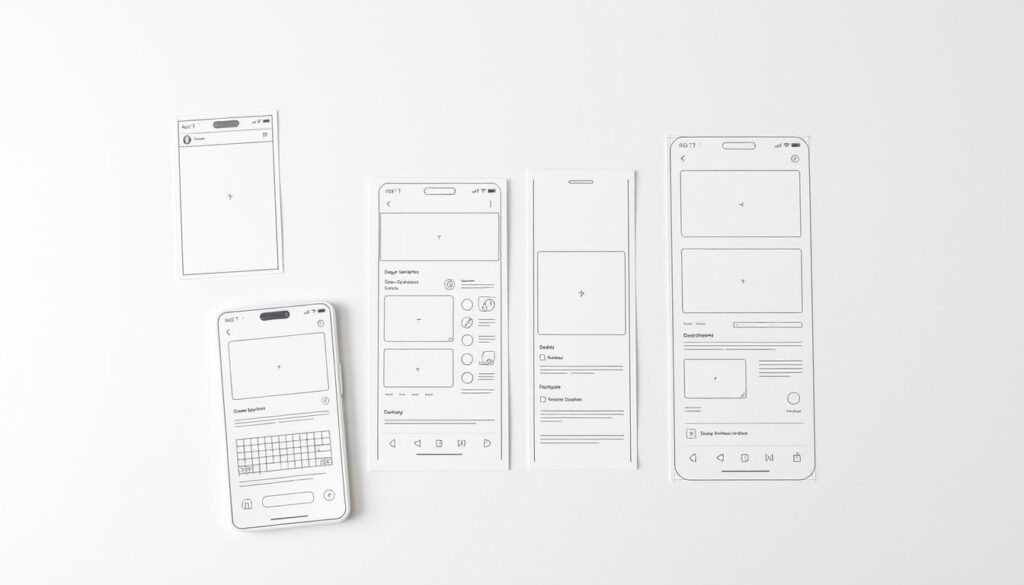
Mapping out the user journey is the first step to crafting a seamless experience. Wireframes act as the blueprint, helping us visualize the structure and functionality of the project. They bridge the gap between initial sketches and interactive prototypes, ensuring every element aligns with user needs11.
Sketching the User Journey and Layout
We start by sketching the user flow, which consists of the steps a user takes to achieve their goals. This process is not always linear, so we focus on creating intuitive paths. Mid-fidelity wireframes are particularly useful during discussions with designers and developers11.
User research plays a critical role here. By understanding behaviors and preferences, we ensure our layouts resonate with the target audience. This approach increases the likelihood of success by 40%12.
Transitioning from Wireframes to High-Fidelity Designs
Once the wireframes are finalized, we transition to high-fidelity mockups. These include up to 90% of the final elements, providing a clear vision of the project’s look and functionality12. We also introduce animation and interactive elements to enhance the user experience.
Mockups facilitate collaboration and feedback, ensuring the final product meets both user and business goals. This iterative process reduces the need for costly revisions later13.
Here are some best practices we follow:
- Replace dummy text with actual copy to ensure clarity.
- Test user interactions even during the wireframing stage.
- Ensure content scales well across different screen sizes.
By investing a lot of time in planning during the wireframing stage, we lay the foundation for a smooth and efficient process. This approach not only saves resources but also ensures the final product is both functional and visually appealing.
Leveraging Top App Design Tools and Resources
In the fast-paced world of digital creation, the right tools can make all the difference. They streamline workflows, enhance collaboration, and ensure high-quality results. From rapid prototyping to interactive mockups, these resources empower developers and teams to bring ideas to life efficiently14.
Utilizing Uizard Templates and Other Platforms
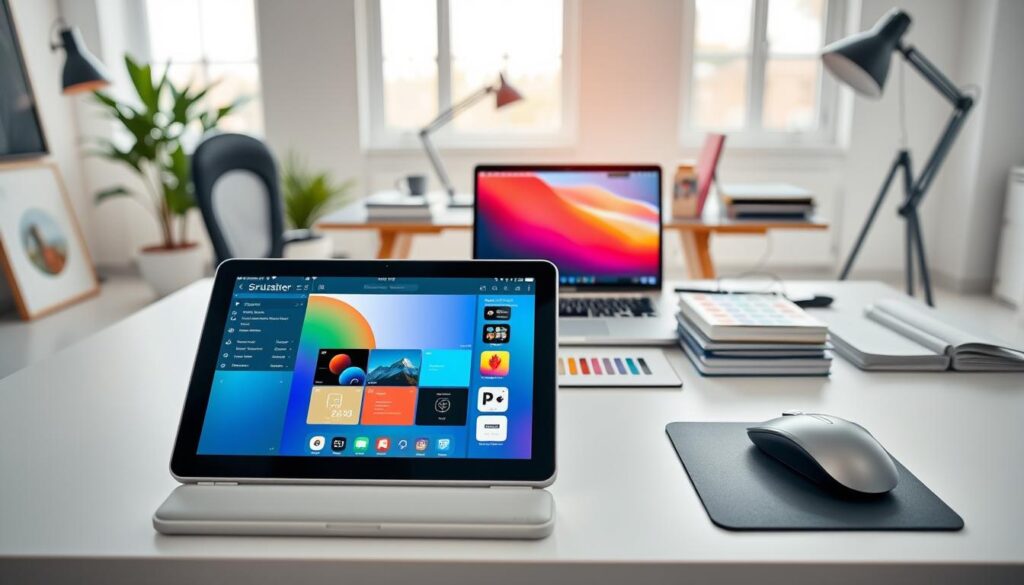
Uizard templates are a game-changer for rapid prototyping. They allow teams to create mockups quickly, saving valuable time in the day-to-day workflow. With pre-designed components, these templates ensure consistency while offering room for customization15.
Collaboration is key, and tools like Uizard integrate seamlessly with social media and desktop environments. This makes it easier for teams to share feedback and refine ideas in real-time14.
Exploring Adobe XD, Sketch, and Proto.io
Adobe XD is a favorite among developers for its versatility. It supports both vector design and prototyping, making it ideal for creating dynamic interfaces. With plans starting at $22.99/month, it’s a cost-effective choice for many studios15.
Sketch, used by over a million designers, offers a one-year license for $99. Its intuitive interface and robust features make it a go-to tool for iOS app projects15.
Proto.io stands out for its interactive prototyping capabilities. Starting at $24/month, it helps teams test user interactions early, reducing the need for costly revisions later15.
By leveraging these tools, we ensure every project meets the highest standards. Whether it’s a desktop platform or a mobile solution, the right resources make all the difference.
User Testing, Feedback, and Iterative Improvement
Effective user testing is the cornerstone of creating intuitive and user-friendly digital experiences. By gathering real-time feedback, we ensure our solutions align with user needs and expectations. This process not only enhances usability but also drives long-term satisfaction16.

Conducting Usability Testing and Gathering Real-Time Feedback
Our approach to usability testing is systematic and user-focused. We observe how real users interact with our designs, identifying pain points and areas for improvement. This workflow ensures that every decision is backed by data, not assumptions17.
Tools like Loop11 and Lookback help us capture feedback efficiently. These platforms allow us to test critical tasks and gather insights in a fast easy manner. By organizing feedback into themes like usability and functionality, we prioritize changes that matter most17.
Refining the Design with Iterative Processes
Iteration is key to refining our solutions. We recommend a minimum of two iterations, with five to ten being ideal for weekly testing16. Each iteration brings us closer to a polished product, with usability improvements averaging 38% per cycle16.
Our manager oversees this process, ensuring feedback is implemented effectively. By making small, manageable changes, we avoid overwhelming users while steadily enhancing the flow of the experience17.
| Testing Method | Key Benefit | Tools Used |
|---|---|---|
| Usability Testing | Identifies user pain points | Loop11, Lookback |
| A/B Testing | Compares design variations | Figma, Adobe XD |
| Competitive Testing | Benchmarks against competitors | UsabilityHub |
By integrating user testing and iterative refinement into our workflow, we deliver solutions that are both effective and user-centric. This approach ensures every project meets the highest standards of usability and appeal17.
Conclusion
Delivering exceptional digital experiences requires a blend of strategy, tools, and user focus. Our process integrates user research, platform guidelines, and iterative improvement to ensure every project resonates deeply. Tools like Uizard and Adobe XD streamline the way we bring ideas to life, making the process efficient and effective18.
We believe a user-focused approach is the cornerstone of success. By prioritizing feedback and refining solutions, we create interfaces that are intuitive and impactful. A well-structured tab system, for instance, enhances navigation and ensures a seamless experience19.
Our commitment to collaboration and accessibility makes it easy for any company to achieve its goals. We invite you to explore further resources and case studies to see these principles in action. Connect with us through media channels to learn more about how we can help you access innovative solutions20.
In the end, a well-crafted interface is a critical component of any successful digital journey. Let’s work together to create experiences that truly make a difference.
FAQ
What is the importance of balancing UI and UX in mobile app development?
Balancing UI and UX ensures that the product is both visually appealing and easy to use. This combination enhances user satisfaction and drives engagement.
How do we incorporate client feedback into the design process?
We actively gather feedback during each stage, from wireframes to high-fidelity mockups. This iterative approach helps us refine the product to meet client expectations.
What are the key considerations for designing an iOS app?
We focus on adhering to Apple’s Human Interface Guidelines, ensuring seamless integration with the ecosystem, and optimizing for features like gestures and animations.
Why is user research essential in the early stages of development?
User research helps us understand the target audience’s needs and behaviors. This data informs the creation of personas and ensures the final product aligns with user expectations.
Which tools do we use for creating wireframes and mockups?
We leverage tools like Adobe XD, Sketch, and Proto.io to create detailed wireframes and high-fidelity designs that bring the user journey to life.
How do we ensure a responsive design across different devices?
We follow best practices for responsive design, testing layouts on various screen sizes to ensure consistency and usability on both mobile and desktop platforms.
What role does usability testing play in refining the product?
Usability testing provides real-time feedback from users, helping us identify pain points and make iterative improvements to enhance the overall experience.
How do we manage the workflow between designers and developers?
We use collaborative tools and maintain clear communication to ensure a smooth transition from design to development, keeping the project on track.
Can we use templates to speed up the design process?
Yes, we utilize templates from platforms like Uizard to streamline the process while ensuring customization to meet the unique needs of each project.
What makes a mobile app design stand out in a competitive market?
A standout design combines intuitive navigation, visually appealing elements, and features that address user pain points, creating a memorable and engaging experience.
Source Links
- https://medium.com/design-bootcamp/advanced-ux-ui-design-strategies-for-creating-exceptional-digital-experiences-87b272e56d2a – Advanced UX/UI Design Strategies for Creating Exceptional Digital Experiences
- https://medium.com/pepper-square/mastering-ui-ux-design-for-exceptional-digital-experiences-0f77b5d53c4f – Mastering User-Centric UI/UX Design for Exceptional Digital Experiences
- https://www.guvi.in/blog/ui-ux-best-practices-for-designers/ – UI/UX Best Practices: Creating Exceptional Digital Experiences
- https://www.bairesdev.com/blog/mobile-app-design/ – Mobile App Design: Key UI/UX Principles
- https://www.ropstam.com/mobile-app-design-fundamentals/ – Mobile App Design Fundamentals – Comparing UI and UX – Ropstam Solutions
- https://playacademy.withgoogle.com/courses/design/ – Design | Learn the fundamentals of app designing
- https://appitventures.com/blog/user-centric-design-on-product-development – The Impact of User-Centric Design on App Development | AppIt
- https://uxcam.com/blog/understanding-user-centered-design/ – User-Centered Design – Definition, Benefits & Methods
- https://www.sherwen.com/insights/ecommerce/the-role-of-cross-platform-integration-in-improving-ux – Improving UX with Cross-Platform Integration
- https://medium.com/oolooroo/modernizing-integration-platform-patterns-principles-and-practices-part-2-81674a7e90a6 – Modernizing Integration Platform — Patterns, Principles and Practices — Part 2
- https://balsamiq.com/learn/articles/mobile-app-wireframing-guide/ – Creating mobile app wireframes: A step-by-step guide | Wireframing Academy | Balsamiq
- https://mockflow.com/blog/wireframing-for-mobile-apps – Creating Wireframes for Mobile Apps – MockFlow
- https://www.uxpin.com/studio/blog/app-design-mockup/ – App Design Mockup — How to Create it Fast?
- https://www.interaction-design.org/literature/article/ux-design-tools-definitive-guide?srsltid=AfmBOoqN_hCElmYH4s7S3y8MenUP98opQvYSW3nT17KjMAJE3aj-S9dL – Top UX and UI Design Tools for 2025: A Comprehensive Guide
- https://orangesoft.co/blog/top-25-tools-for-mobile-app-designers – Best 25 Mobile App Design Tools and Software
- https://www.nngroup.com/articles/parallel-and-iterative-design/ – Parallel & Iterative Design + Competitive Testing = High Usability
- https://www.loop11.com/how-to-effectively-use-user-testing-feedback-in-design-iterations/ – How to Effectively Use User Testing Feedback in Design Iterations | Loop11
- https://www.interaction-design.org/literature/article/how-to-write-the-conclusion-of-your-case-study – How to Write the Conclusion of Your Case Study
- https://uxdesign.cc/dont-jump-to-conclusions-why-designers-need-to-get-good-at-finding-the-right-problem-e540ae0033d6 – Don’t jump to conclusions: why designers need to get good at finding the right problem
- https://medium.com/interaction-service-design-concepts-principles/interaction-design-conclusions-a1cb5a057671 – Interaction Design: Conclusions
The post App Design: How We Create Exceptional Digital Experiences first appeared on ItsAndroidzilla.
source https://itsandroidzilla.com/android-app/app-design-how-we-create-exceptional-digital-experiences/


Comments
Post a Comment